
Superannuation has long been one of Australia’s most powerful tools for wealth building, retirement planning, and tax-effective investing. However, with significant balances accumulating in the system, the government has introduced a new measure to ensure greater equity: the Division 296 Tax.
Superannuation has long been one of Australia’s most powerful tools for wealth building, retirement planning, and tax-effective investing. However, with significant balances accumulating in the system, the government has introduced a new measure to ensure greater equity: the Division 296 Tax.
It's proposed that as of now individuals with superannuation balances exceeding $3 million will face additional taxation on their earnings. This reform has raised questions for high-net-worth individuals, SMSF trustees, and financial planners alike. In this article, we’ll unpack what Division 296 Tax means, how it works, and what strategies could help manage its impact.
Division 296 Tax is an additional 15% tax that applies to the earnings on super balances above $3 million.
Currently, super earnings are taxed at:
15% during the accumulation phase, and
0% in the retirement (pension) phase, subject to transfer balance caps.
Under the new rules, individuals with balances above $3 million will effectively face 30% tax on earnings attributable to the portion above this threshold. This means higher-balance accounts will no longer receive the same concessional tax treatment as smaller accounts.
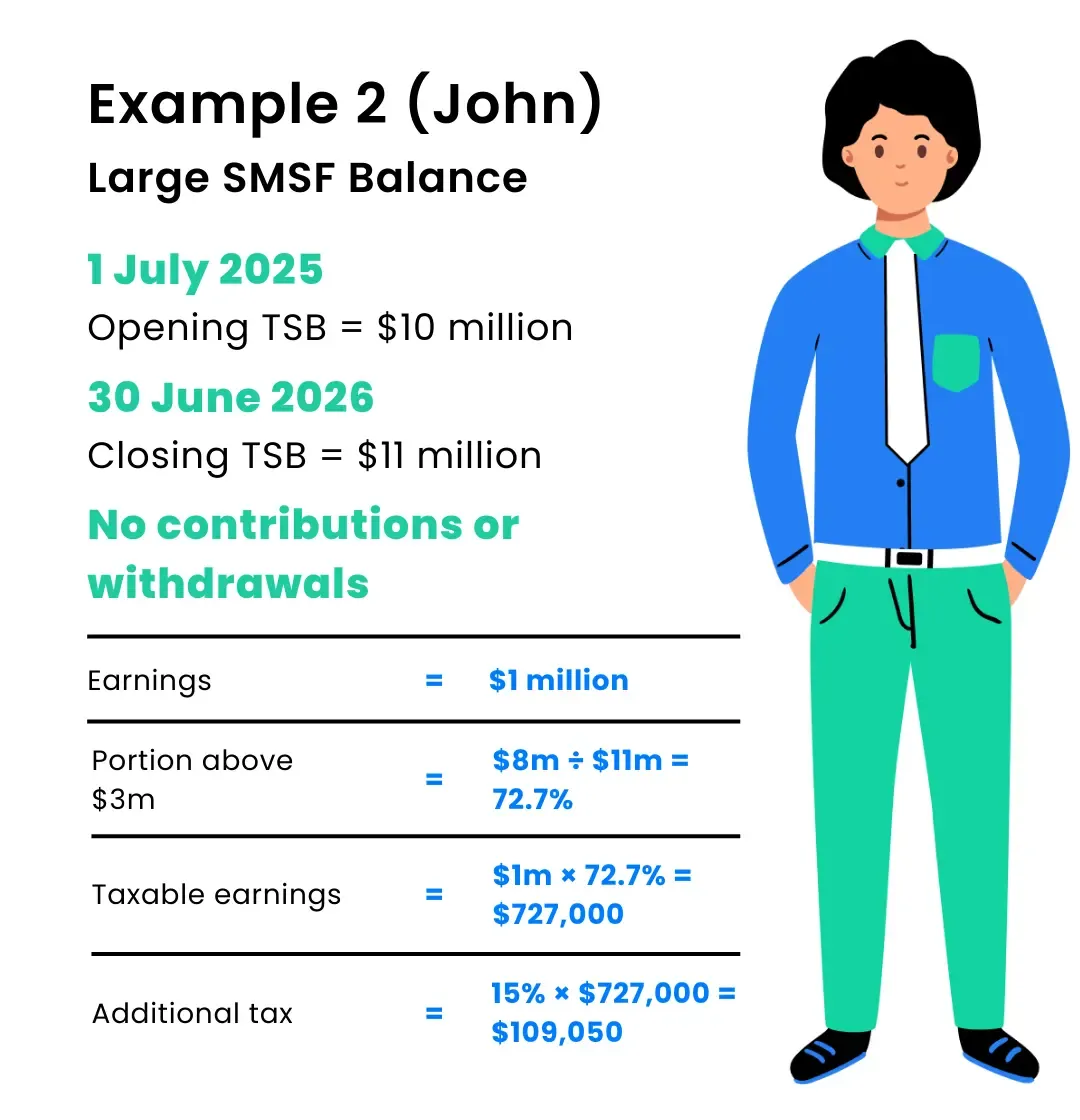
The ATO will calculate Division 296 Tax using a formula based on your Total Super Balance (TSB) at the end of each financial year.
The formula is:
Earnings = Closing TSB – Opening TSB – Net Contributions + Withdrawals
If your balance is above $3 million, a portion of these earnings will be subject to the extra 15% tax.
Importantly, the tax is not imposed on withdrawals or unrealised gains directly, but rather through this formula-based calculation.
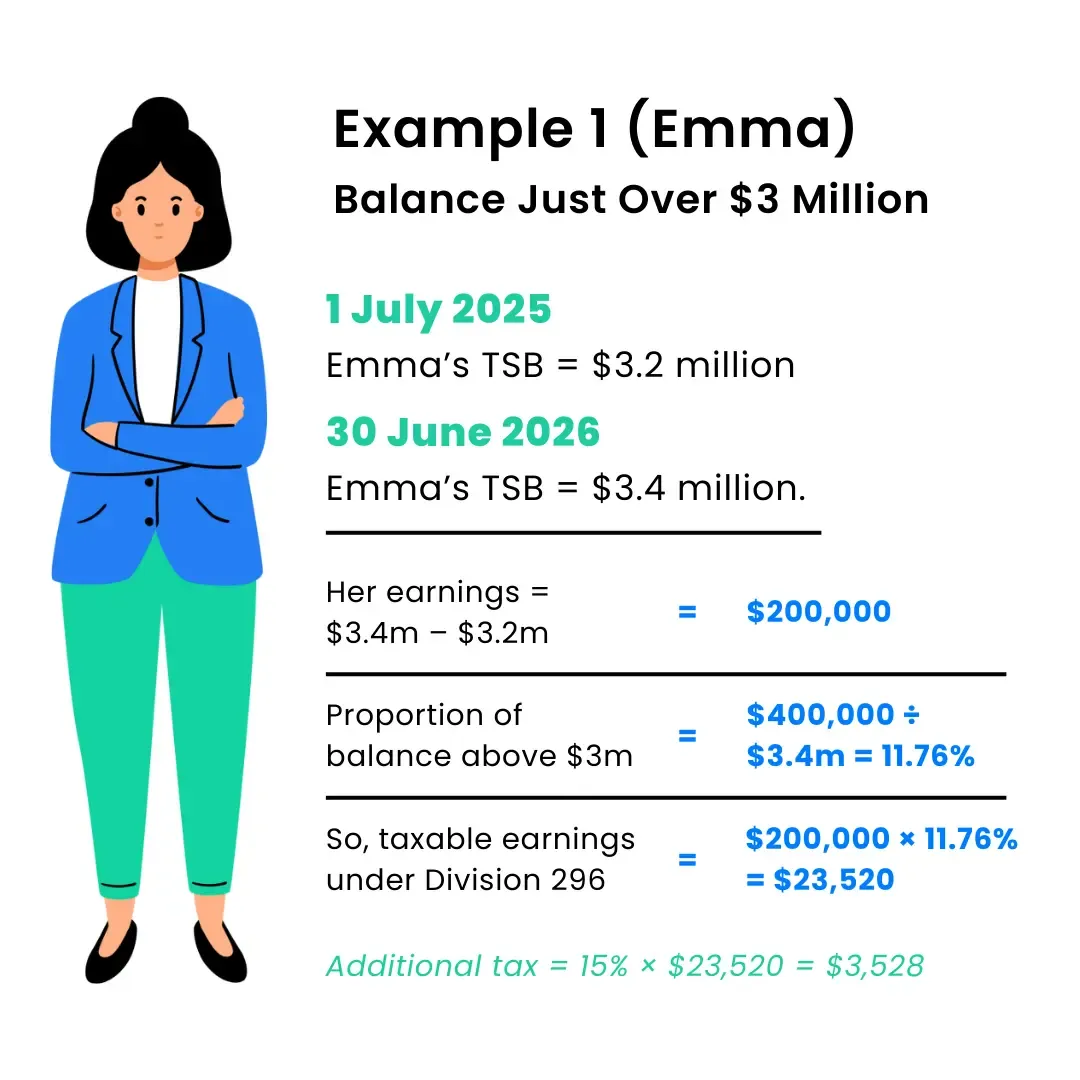
While this seems modest, the impact compounds each year for balances significantly higher than the threshold.
Equity in the Super System
Impact on SMSFs and High-Net-Worth Individuals
Complexity with Unrealised Gains
While the Division 296 Tax cannot be avoided once balances exceed $3 million, there are strategies to manage its impact:
Diversify Assets Inside and Outside Super
Contribution Planning
Review Pension vs. Accumulation Phase Allocations
Revisit Estate Planning
NetGrowth offers expert financial advice and strategic superannuation planning tailored to individuals affected by the Division 296 tax. With deep knowledge of superannuation rules, NetGrowth can help clients assess their super balance scenarios, optimise contribution strategies, manage tax liabilities, and integrate estate planning solutions to minimise the adverse impact of this new tax. By working proactively with NetGrowth, you can maximise retirement outcomes while navigating the complexities brought on by Division 296.